

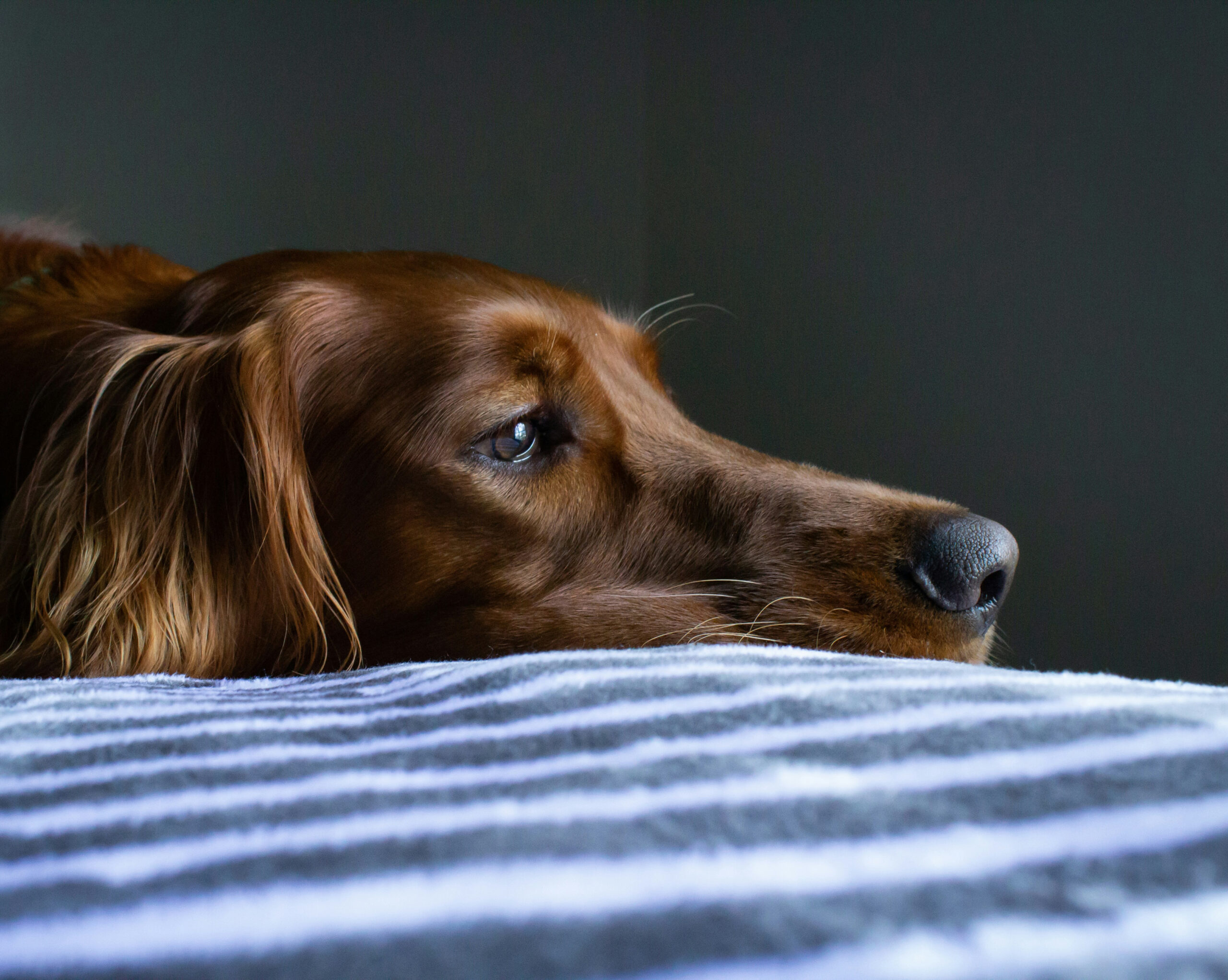

Experts explain why the quiet house hits dogs hard and share the exact routines that help pets bounce back.
Although everyone wishes summer could last forever, it’s another season that has to eventually end. Once summer is over, fall is ushered in, and it’s time for the kids to head back to school. While there’s no denying that kids may dislike the back-to-school season after a fun-filled summer, another family member may also struggle with this transition: your family dog.
The ‘back-to-school blues’ aren’t just for kids; it can also describe the empty feeling our dogs feel when the house quiets down once more. Not only do dogs hate the absence of their favorite human playmates, but the routine of always having someone around gets broken once again. Although there’s very little anyone can do to avoid this seasonal shift, there are ways you can help your dog come to terms with the start of school a bit more gently.
Not only is it important to help dogs cope with the start of classes to avoid destructive behaviors, but it’s also important to help them prepare emotionally. If your dog isn’t properly prepared for the season, you’ll likely find them acting out more and more.
We spoke with four experts to learn exactly what to do to avoid these dog back-to-school blues and give you one less thing to worry about at the end of the summer season.
Why the Sudden Empty House Triggers Depression
It’s not just that a dog’s favorite kids are gone for the day, but it’s the empty house that can truly mess with a dog’s mental well-being.
As Molly Jespersen, a training specialist with Camp Bow Wow, explains, the summer gives them a consistent routine of company and attention for weeks. When school starts, the lack of these things can feel like a major loss to your dog. As natural pack animals, the lack of companionship can feel like a lack of connection to their pack, causing low energy and a more somber attitude.
4 Sneaky Signs Your Dog Has the Back-to-School Blues
Even if your dog has gone through the back-to-school season plenty of times before, that doesn’t mean they are completely immune to getting the blues when their kiddos leave the house. If you’re unsure whether your dog is feeling down over the empty house, here are a few signs to look out for when school rolls around.
- Excessive Grooming – As Jonathan Bensamoun, CEO and founder of Fi – Next Generation Dog Collars, explains, the average dog only grooms themselves about 16 times a day, which is normal maintenance. However, 1 in 22 dogs double this, exceeding 30 instances a day, which may signal that a dog is anxious. Excessive grooming can usually go unnoticed, as it doesn’t create any visual mess, but it can still be spotted throughout the day if you keep an eye out for it.
- Loss of Enthusiasm – Any dog that is feeling a little down will usually appear less interested in things they usually enjoy. Signs like isolation, restlessness and lethargy are just some of the ways you can tell that your dog is not feeling great. Jespersen adds that a lack of enthusiasm includes no longer playing with their favorite toys and greeting you with less excitement.
- Excessive Pining – Normally, your dog will miss the kids when they’re off to school, but excessive pining for them may symbolize a deeper issue. Jesperson says that excessive pining typically looks like dogs that suddenly want to nap in the kids’ rooms or hover by the window waiting for the kids to come back home.
- Changes in Appetite and Routine – Whenever your dog changes their routine without a justifiable cause, it’s a cause of worry for pet parents. If you notice your dog is no longer interested in eating their favorite foods and isn’t following their typical schedules, you should contact your vet for further examination. Liz Cahn, a veterinary board advisor at PerkyPet AI, recommends investing in a camera you can place at home to take a peek at your dog’s activities throughout the day.
3 Trainer-Approved Ways to Cure the Back-to-School Blues
Though it might seem as if all hope is lost every time school starts, there are a few ways that the experts agree you can help lessen your pup’s heartbreak.
- Hire Dog Walkers – If your schedule doesn’t allow for a midday check-in, bringing in outside help can make a big difference. Dr. Philip Putter, a practicing veterinarian and founder of Spot On Veterinary Hospital & Hotel, recommends hiring a dog walker or using a local doggy daycare for playtime, exercise and socialization during the hours your dog would otherwise be home alone. Even a 20- or 30-minute midday visit breaks up the isolation and gives your dog something to look forward to rather than just waiting hours until everyone’s back home
- Give Your Dog a Job – A bored dog is far more likely to spiral into the blues, so giving them something to do is one of the simplest fixes. Jespersen says the best remedy is giving your dog a job to focus on during those long, quiet hours. A frozen puzzle toy, a scheduled midday walk or a sniff-and-search game hidden around the house can turn boredom into mental stimulation. Cahn agrees that puzzle toys, lick mats and frozen Kongs are great tools to keep dogs occupied when you’re not around (while still making sure to provide one-on-one attention, exercise and mental stimulation when you are home). Leaving the TV or radio on while you’re out, Dr. Putter suggests, can also help fill the silence and make the house feel less empty.
- Wake Up Earlier or Go to Bed Later – Sometimes the easiest fix is simply making more room in the day. Dr. Putter suggests waking up early or staying up a little later to squeeze in extra play and exercise time with your dog before and after school hours. That extra window doesn’t need to be elaborate; just a longer morning walk or a few extra minutes of fetch before bed can help your dog burn off energy and get quality time in, even on a packed schedule. For the transition itself, both Jespersen and Cahn stress starting early rather than flipping the routine overnight. Jespersen recommends starting the new routine a few days before school begins so the adjustment doesn’t happen all at once, and points to something as small as a consistent goodbye and hello ritual, as dogs pick up on those cues, and they may help ease the transition. Cahn echoes this, advising pet parents to gradually shift walk and meal times, add in short periods of alone time before the first day of school, and reward calm, independent behavior along the way.
The Weekend Trap You Need to Avoid
It’s tempting to let the whole family pile back onto the couch with the dog every Saturday and Sunday, but that inconsistency can actually make Monday harder on your pup. Jespersen explains that if a dog gets a full weekend of company and cuddles only to be left alone again Monday morning, the contrast feels sharper and the adjustment period restarts. Keeping a similar structure on weekends, even a scaled-back version of the weekday routine, helps your dog settle into the new normal instead of bouncing between two extremes.
Cahn agrees that keeping up with your weekday schedule, rather than completely changing everything on the weekends, is best, especially if your dog is struggling to adjust to the new routine. Extra walks and family time are wonderful, but continuing some brief alone time can also help prevent Monday morning from feeling like another abrupt transition.
Blues vs. Severe Separation Anxiety: When to Call the Vet
A little moping for the first week or two is a normal adjustment, but there’s a real difference between the blues and true separation anxiety. Jespersen says that if your dog is destroying furniture, having accidents despite being fully house trained, barking or howling for extended periods, or trying to escape when left alone, that’s your sign to bring in your veterinarian or a certified trainer, as those behaviors go beyond sadness and point to distress that needs a more structured plan to address.
Cahn draws a similar line: back-to-school blues are often mild and temporary, and a dog going through them is still capable of settling down, eating and engaging in independent activity. Separation anxiety, on the other hand, is much more than boredom or disappointment; it’s a panic response tied to separation from an attachment figure, and it can show up as excessive vocalization, destruction, escape attempts or accidents in an otherwise house-trained dog.
If symptoms are significant and persistent, Cahn recommends a veterinary visit to rule out underlying medical issues and talk through treatment, which can include desensitization and counterconditioning to departure cues, independence training, environmental changes, and, in some cases, medication.
The back-to-school transition isn’t easy on anyone in the house, dogs included. But with a bit of planning, a job to keep them busy, and a routine that doesn’t swing wildly between weekdays and weekends, most dogs settle into the new normal within a couple of weeks. Pay attention to how your dog is adjusting, keep the goodbyes and hellos low-key and consistent, and don’t hesitate to loop in your vet if the moping starts to look like something more serious. A little patience now sets the tone for a much smoother school year ahead for everyone, including our furry friends.
Our Panel of Experts
- Philip Putter is a practicing small animal veterinarian and the founder and owner of Spot On Veterinary Hospital & Hotel in Stamford and Westport, Connecticut.
- Molly Jespersen is a training specialist with Camp Bow Wow.
- Jonathan Bensamoun is the CEO and founder at Fi – Next Generation Dog Collars.
- Liz Cahn is a veterinary board advisor at PerkyPet AI, the veterinary-built AI platform for proactive pet health.
The original article can be found here.






Comments +